
Industrial Co-Production
Maximizing Efficiency and Value in Energy Systems
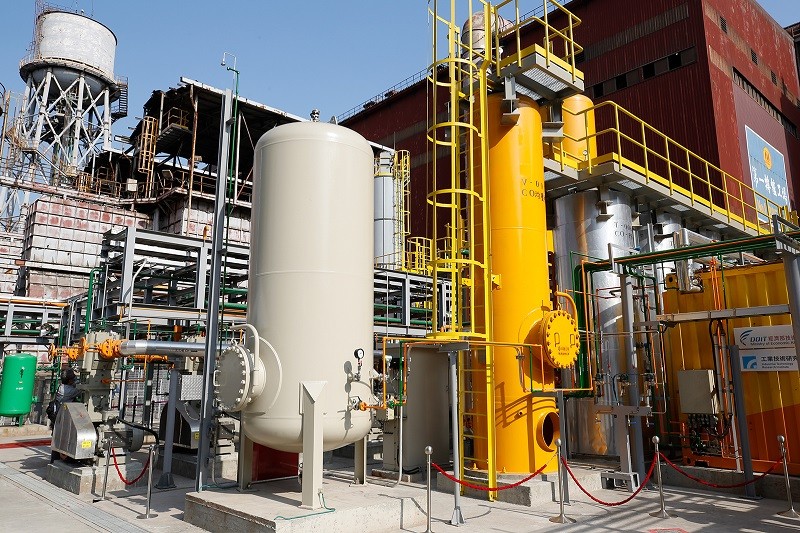
In modern industrial and agricultural engineering, co-production (or polygeneration) refers to the simultaneous manufacture of two or more high-value outputs, such as electricity, process heat, biofuels, biochemicals, and soil amendments, from a single feedstock or primary conversion facility. By capturing energy and material streams that were traditionally treated as waste, co-production significantly improves overall thermodynamic efficiency, lowers carbon intensity, and diversifies commercial revenue streams.
Core Pathways & Co-Production Models
Co-production strategies span across traditional industrial manufacturing and emerging biorefineries across three core technological models:
Explore the Industrial Co-Production Resource Repository
Access all peer-reviewed literature, state technical reports, and workshop presentation slide decks.
Funding & Acknowledgments
The Louisiana Energy Extension Service (LEES) is primarily funded via the State of Louisiana through legislative support approved by Gov. Jeff Landry, EIL-based funding, and donations from various industry stakeholders.


Contact Us
Let us help connect you with an energy expert to assist as you innovate, educate, and optimize processes.
Get In Touch