
Thermal Conversion
Transforming Biomass and Waste into High-Density Bio-Fuels and Bioproducts
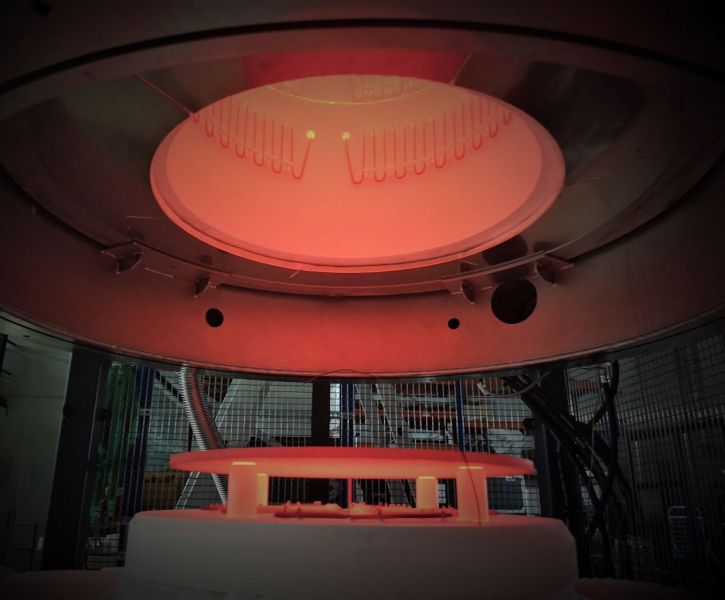
Thermal conversion (or thermochemical processing) utilizes elevated temperatures to rapidly decompose biomass, agricultural residues, forestry waste, and municipal solids into energy-dense liquid fuels, synthesis gas (syngas), biocoal, and biochar. Unlike biological conversion routes that require days or weeks, thermochemical processes, such as pyrolysis, gasification, torrefaction, and hydrothermal liquefaction, operate in minutes or seconds, unlocking rapid valorization pathways for Louisiana's abundant organic feedstocks.
Key Pathways & Thermochemical Processes
Thermochemical conversion strategies vary by operating temperature, heating rate, and oxygen availability across three primary processing frontiers:
Explore the Thermal Conversion Resource Repository
Access all peer-reviewed literature, state technical reports, and workshop presentation slide decks.
Funding & Acknowledgments
The Louisiana Energy Extension Service (LEES) is primarily funded via the State of Louisiana through legislative support approved by Gov. Jeff Landry, EIL-based funding, and donations from various industry stakeholders.

Contact Us
Let us help connect you with an energy expert to assist as you innovate, educate, and optimize processes.
Get In Touch