
Infrastructure Resiliency
Hardening Infrastructure and Securing Power Continuity
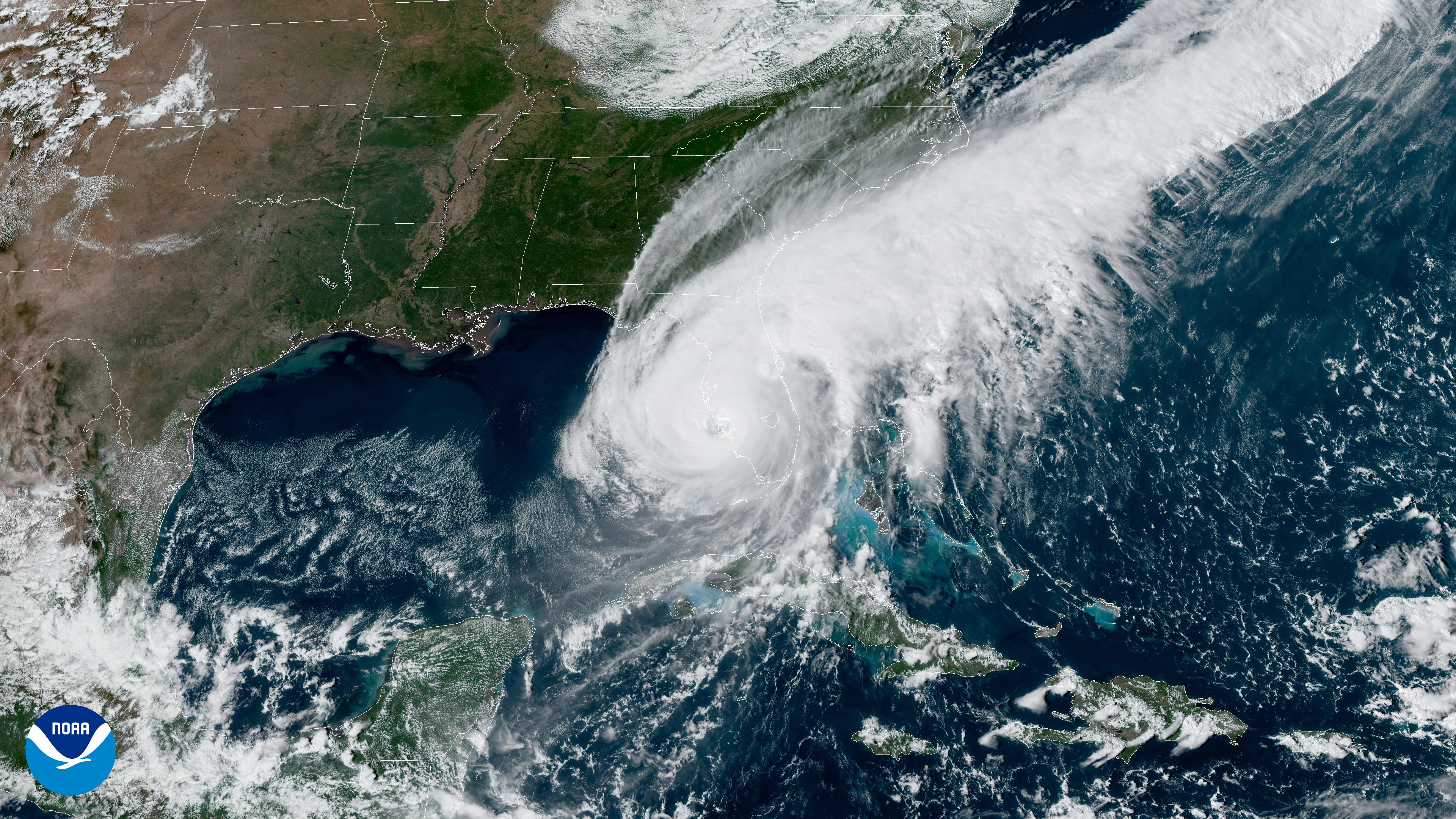
Energy resiliency is the capacity of energy systems, from local distribution feeders and agricultural microgrids to regional industrial complexes, to withstand, adapt to, and rapidly recover from severe weather events and grid disruptions. In Louisiana, building a resilient energy framework involves combining physical infrastructure hardening with smart microgrids, emergency backup generation, and localized energy storage to keep critical facilities powered when the main grid fails.
Key Pillars & Resilience Strategies
Energy assurance and resilience engineering focus on three essential operational layers across Louisiana's infrastructure:
Explore the Resiliency Resource Repository
Access all peer-reviewed literature, state technical reports, and workshop presentation slide decks.
Funding & Acknowledgments
The Louisiana Energy Extension Service (LEES) is primarily funded via the State of Louisiana through legislative support approved by Gov. Jeff Landry, EIL-based funding, and donations from various industry stakeholders.


Contact Us
Let us help connect you with an energy expert to assist as you innovate, educate, and optimize processes.
Get In Touch