
Waste to Resources
Transforming Industrial, Agricultural, and Municipal Residuals into High-Value Resources
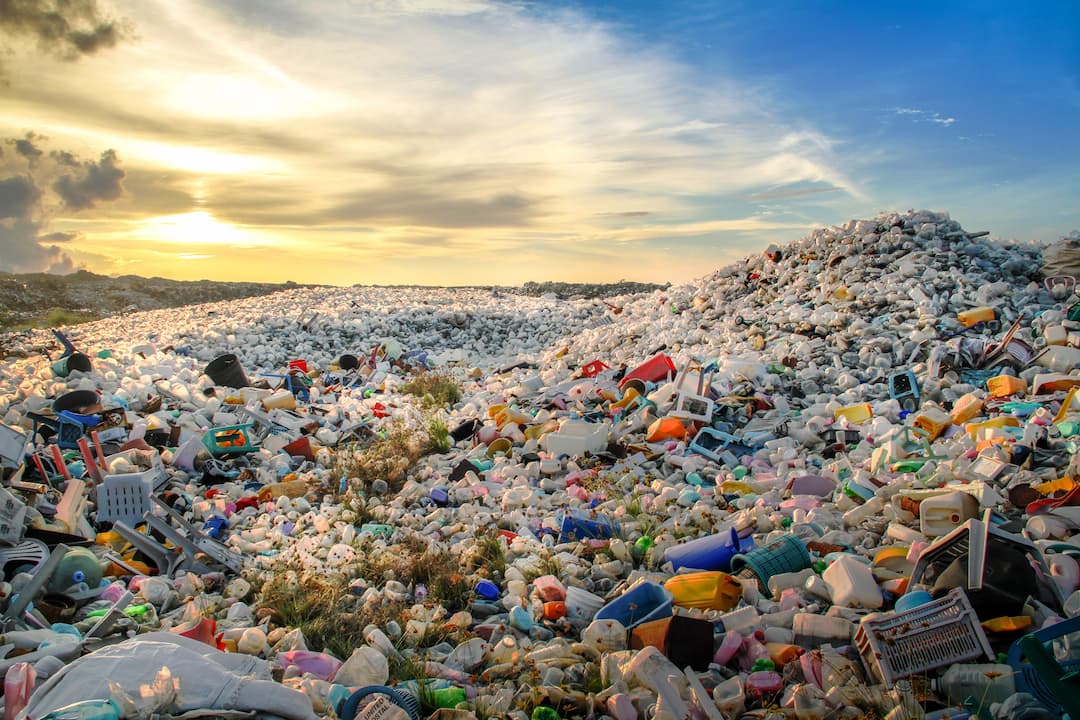
Waste valorization is the process of converting residual materials, industrial bypass streams, agricultural processing solids, and municipal wastes into high-value bio-based products, clean energy, biochemicals, and soil amendments. By shifting from traditional disposal to resource recovery, waste valorization transforms environmental liabilities into economic assets, building a circular economy that lowers operating costs and creates new revenue streams for Louisiana industries.
Key Pillars & Conversion Pathways
Waste valorization encompasses three core processing pathways across Louisiana's industrial and agricultural sectors:
Explore the Waste Valorization Resource Repository
Access all peer-reviewed literature, state technical reports, and workshop presentation slide decks.
Funding & Acknowledgments
The Louisiana Energy Extension Service (LEES) is primarily funded via the State of Louisiana through legislative support approved by Gov. Jeff Landry, EIL-based funding, and donations from various industry stakeholders.
Contact Us
Let us help connect you with an energy expert to assist as you innovate, educate, and optimize processes.
Get In Touch