
Carbon Capture Utilization & Storage
Decarbonizing Louisiana’s Industrial Future
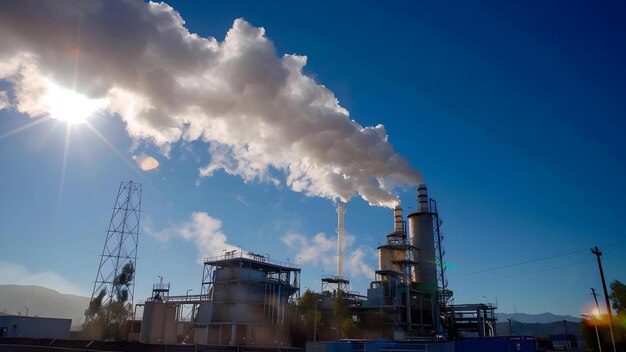
As global markets demand lower-carbon products, Carbon Capture, Utilization, and Storage (CCUS) serves as a critical technology suite for mitigating industrial carbon emissions while maintaining economic competitiveness. By capturing carbon dioxide (CO₂) directly at industrial point sources, or removing it from ambient air, CCUS prevents emissions from entering the atmosphere, recycling the gas into commercial products or permanently locking it deep underground.
Core Pathways & Technological Pillars
CCUS technologies operate across three interconnected operational stages across Louisiana's energy corridor:
Explore the Carbon Capture Utilization and Storage Resource Repository
Access all peer-reviewed literature, state technical reports, and workshop presentation slide decks.
Funding & Acknowledgments
The Louisiana Energy Extension Service (LEES) is primarily funded via the State of Louisiana through legislative support approved by Gov. Jeff Landry, EIL-based funding, and donations from various industry stakeholders.


Contact Us
Let us help connect you with an energy expert to assist as you innovate, educate, and optimize processes.
Get In Touch