
Soil Carbon Sequestration
Enhancing Soil Health, Agricultural Yields, and Carbon Sequestration
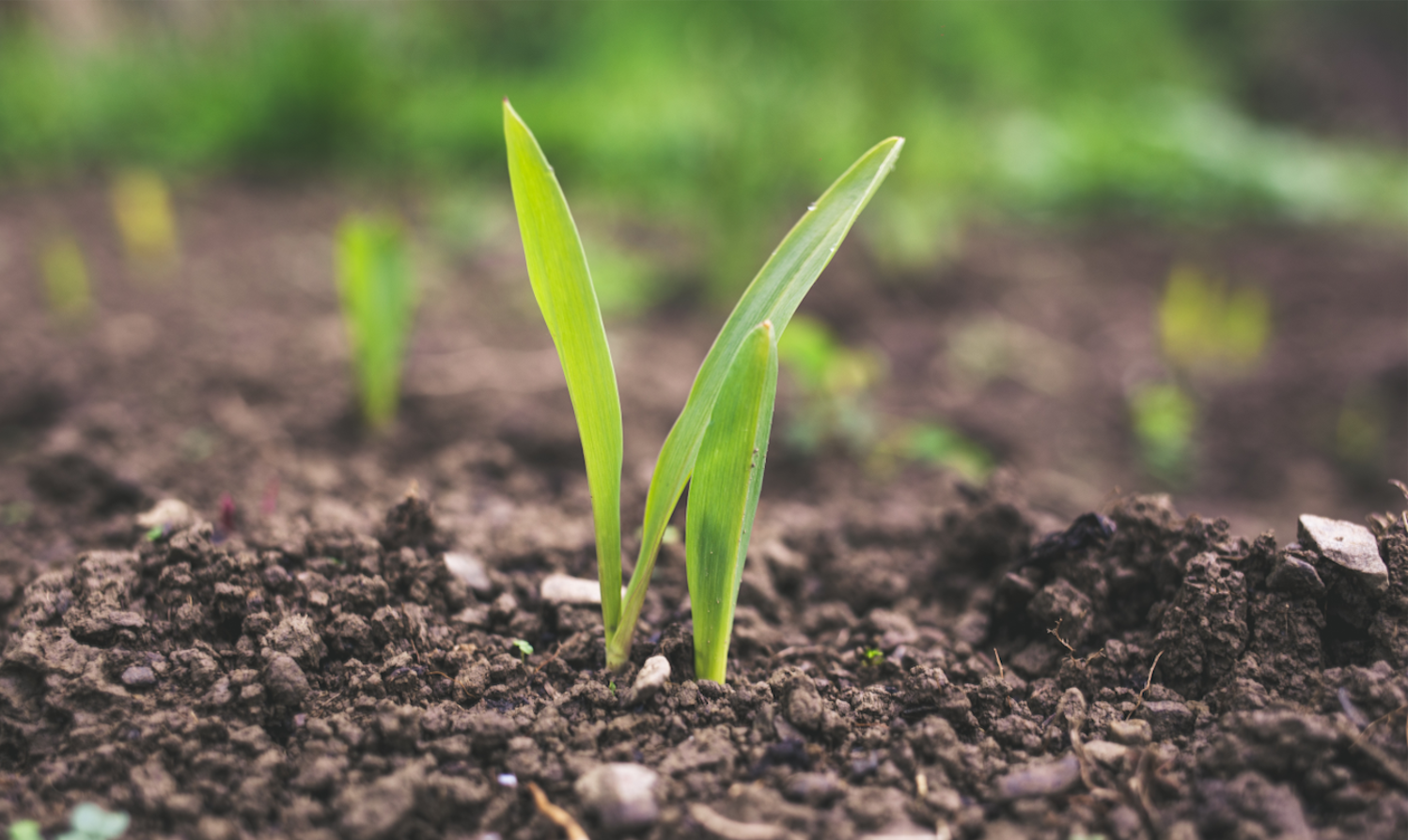
Soil carbon management represents a natural, high-capacity pathway to sequester atmospheric carbon dioxide (CO₂) while simultaneously improving the fertility, water retention, and long-term resilience of agricultural working lands. By building Soil Organic Carbon (SOC) through conservation agronomy, cover cropping, foliar applications, and pyrogenic carbon amendments (such as biochar), Louisiana landowners can transform soils into active carbon sinks while earning ecosystem service credits.
Key Pillars & Carbon Management Pathways
Optimizing soil carbon storage integrates agricultural practices with advanced soil chemistry across three core domains:
Explore the Soil Carbon Resource Repository
Access all peer-reviewed literature, state technical reports, and workshop presentation slide decks.
Funding & Acknowledgments
The Louisiana Energy Extension Service (LEES) is primarily funded via the State of Louisiana through legislative support approved by Gov. Jeff Landry, EIL-based funding, and donations from various industry stakeholders.


Contact Us
Let us help connect you with an energy expert to assist as you innovate, educate, and optimize processes.
Get In Touch