
Soil Treatment & Remediation
Restoring Ecosystems, Health, and Land Productivity
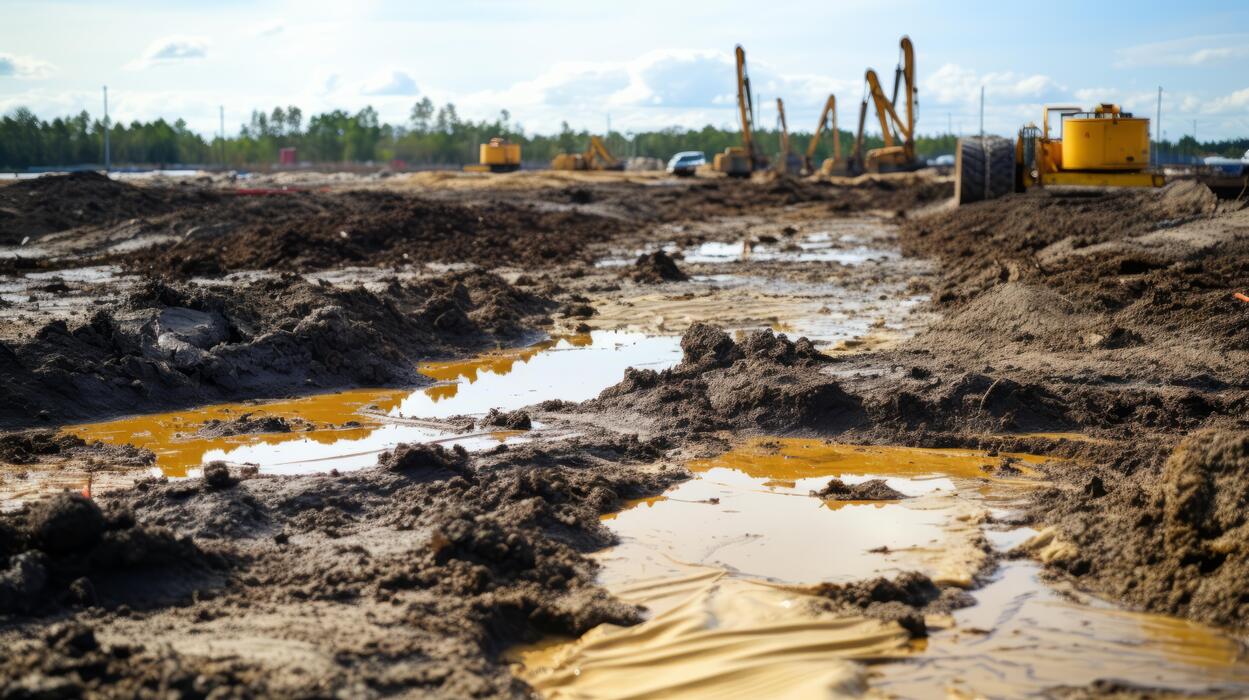
Soil remediation and treatment technologies restore contaminated soil and groundwater, converting impacted industrial, legacy energy, and agricultural sites back into productive, safe land. By integrating biological breakdown, chemical stabilization, and bio-based amendments, modern soil treatment mitigates environmental liabilities while protecting Louisiana's freshwater aquifers, working agricultural acres, and coastal watersheds.
Key Remediation Technologies & Pathways
Soil treatment approaches vary based on the specific contaminant matrix across three primary engineering domains:
Explore the Soil Treatment & Remediation Resource Repository
Access all peer-reviewed literature, state technical reports, and workshop presentation slide decks.
Funding & Acknowledgments
The Louisiana Energy Extension Service (LEES) is primarily funded via the State of Louisiana through legislative support approved by Gov. Jeff Landry, EIL-based funding, and donations from various industry stakeholders.
Contact Us
Let us help connect you with an energy expert to assist as you innovate, educate, and optimize processes.
Get In Touch