
Renewable Natural Gas (RNG)
Decarbonizing Pipelines and Fueling Low-Carbon Transportation
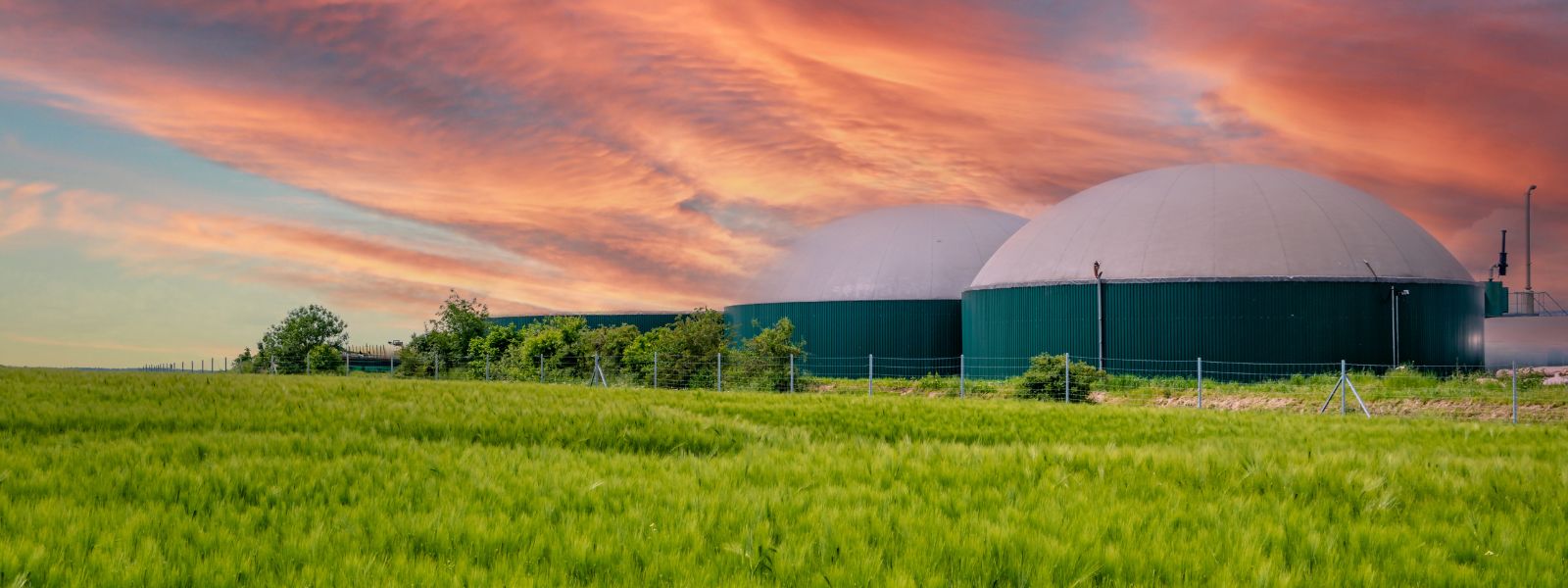
Renewable Natural Gas (RNG), also known as biomethane, is pipeline-quality gas produced by capturing and upgrading raw biogas from organic waste streams. Derived from municipal solid waste landfills, livestock manure digesters, industrial wastewater facilities, and agricultural residues, RNG is chemically identical to conventional natural gas. By capturing fugitive methane emissions and displacing fossil fuels, RNG provides an immediate, drop-in solution to decarbonize thermal energy, heavy-duty transport fleets, and industrial chemical processes using existing gas infrastructure.
Key Pillars & Upgrading Technologies
Transforming raw biogas into fuel-grade RNG requires precise gas conditioning and separation technologies across three operational pillars:
Explore the Renewable Natural Gas Resource Repository
Access all peer-reviewed literature, state technical reports, and workshop presentation slide decks.
Funding & Acknowledgments
The Louisiana Energy Extension Service (LEES) is primarily funded via the State of Louisiana through legislative support approved by Gov. Jeff Landry, EIL-based funding, and donations from various industry stakeholders.


Contact Us
Let us help connect you with an energy expert to assist as you innovate, educate, and optimize processes.
Get In Touch